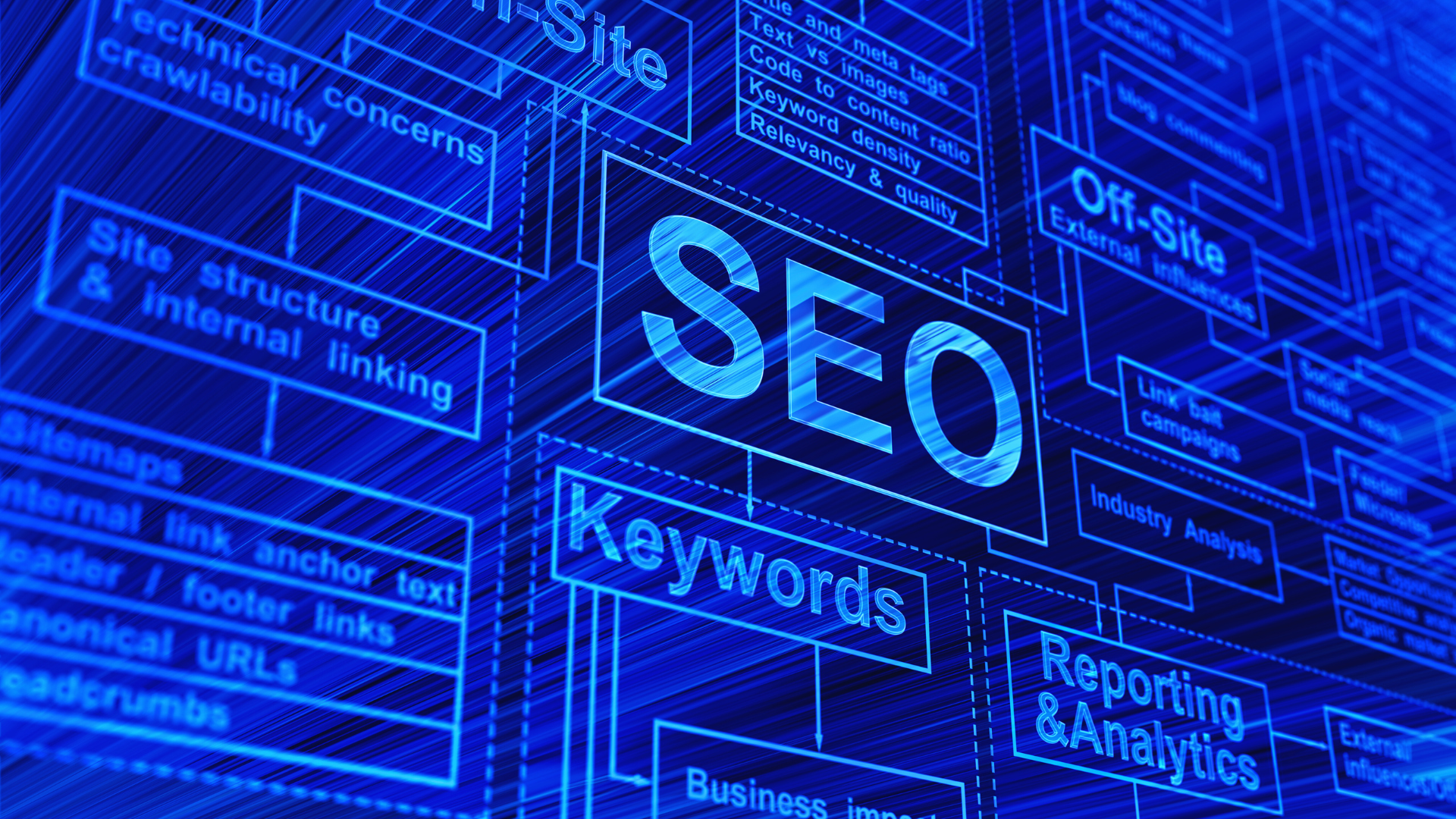
Anchor text plays a crucial role in how users and search engines understand the context of a webpage. It refers to the clickable words in a hyperlink that direct users to another page. Effective use of anchor text can enhance user experience and improve a website’s search engine optimization (SEO).
When used correctly, anchor text provides clear information about what the linked content entails, helping readers make informed choices. It can vary in type, including descriptive, branded, and generic mentions, each serving a distinct purpose in digital content. Understanding anchor text is essential for anyone looking to enhance their online presence. Its strategic implementation can lead to increased traffic and better engagement on a website.
Defining Anchor Text
Anchor text serves as a crucial element in hyperlinking, offering context about the linked content. It can significantly influence user experience and search engine optimization.
The Role of Anchor Text in SEO
Anchor text helps search engines understand the topic of the linked page. When keyword-rich anchor text is effectively used, it can enhance the relevance and ranking of the linked page. Search engines analyze the anchor text to determine how the content relates to the link. This is important for establishing authority and ensuring the website ranks well in search results. Moreover, relevant anchor text can improve click-through rates, as users are more likely to engage with content that appears pertinent to their query.
Types of Anchor Text
There are several types of anchor text, each serving a different purpose in linking strategies. The main categories include:
- Exact Match: Uses the exact keyword phrase for the linked page, enhancing SEO for that term.
- Partial Match: Includes variations of the keyword, which can diversify keyword targeting.
- Branded: Incorporates a brand name, helping to enhance brand visibility.
- Naked Link: Displays the URL itself as the link, providing transparency.
- Generic: Uses non-specific phrases like “click here,” which lacks SEO benefits but can still drive traffic.
These types serve unique roles, and selecting the appropriate anchor type is vital for strategy.
Best Practices for Anchor Text
Applying effective best practices can maximize the benefits of anchor text. It’s advisable to keep anchor text relevant to the linked content to maintain clarity. Using varied anchor text types can prevent over-optimization and make the content appear more natural. It is also important to avoid excessive keyword stuffing, as this can lead to penalties from search engines.
Furthermore, ensuring that anchor text is concise and descriptive helps users understand what to expect. Maintaining a balance between SEO needs and user experience is essential for creating effective hyperlinks.
Anatomy of a Hyperlink
A hyperlink comprises various components that function together to navigate users across web pages. Understanding each part helps in effective web design and SEO practices.
HTML Structure
The HTML structure of a hyperlink starts with the <a> tag, which defines the link. Within this tag, the href attribute specifies the URL to which the link points. For instance:
<a href=”https://www.example.com”>Visit Example</a>
In this example, “Visit Example” acts as the visible text that users see. The link can also include targets, allowing developers to specify where to open the linked document, such as in the same tab or a new one.
Additional optional components may include attributes like a title, which provides supplementary information when the user hovers over the link. Properly structuring these elements enhances both usability and accessibility.
Anchor Text Attributes
Anchor text is integral to SEO and user engagement. It refers to the clickable text in a hyperlink. Effective anchor text should be descriptive and relevant to the content being linked. Using concise and informative anchor text improves the chances of user interaction. For example:
- Descriptive: “Learn more about SEO techniques”
- Generic: “Click here”
Additionally, attributes such as rel and target can modify link behavior. The rel attribute indicates the relationship between the current document and the linked one. For example, rel=”nofollow” tells search engines not to pass authority to the linked page. The target attribute, set to “_blank”, opens links in a new tab, enhancing user experience.
Anchor Text and Search Engines
Anchor text plays a significant role in how search engines interpret and rank web pages. It aids in understanding the context of linked content. Proper optimization of anchor text can influence search engine results effectively.
Anchor Text Relevance
Relevance in anchor text refers to its alignment with the content of the linked page. High relevance helps search engines determine what the destination page is about. This can enhance the page’s visibility in search results.
When crafting anchor text, using specific keywords related to the target page is crucial. For instance, if linking to a page about digital marketing, terms like “digital marketing strategies” are preferable. Generic phrases such as “click here” may dilute relevance, leading to lower search performance.
Building a diverse anchor text profile is also beneficial. A mix of exact match, partial match, branded, and generic terms signals to search engines a natural linking strategy. This diversity can positively impact rankings and organic search traffic.
Penguin Algorithm and Anchor Text Optimization
The Penguin algorithm, introduced by Google, targets anchor text manipulation that violates its guidelines. This algorithm penalizes websites using overly optimized or spammy anchor text. Understanding Penguin’s implications is vital for effective SEO strategies.
Anchor text optimization involves balancing keyword use and natural language. Overuse of exact match keywords can trigger penalties. It is recommended to maintain variations in anchor text to avoid being flagged by search algorithms.
Incorporating branded and contextual anchor text can enhance credibility. For example, linking to a reputable source using the brand name enables context without focusing solely on keywords. This practice aligns with Google’s preference for high-quality, relevant content while adhering to the best optimization techniques.
Crafting Effective Anchor Text
Creating effective anchor text is essential for enhancing user experience and improving search engine visibility. This involves ensuring relevance to the linked content while also maintaining a natural flow of information.
Matching Anchor Text with Content
Effective anchor text should directly relate to the content it links to. When users click on a link, they expect to be taken to relevant information. For example, using phrases like “learn more about SEO strategies” is more effective than generic terms like “click here.”
To achieve this, consider the following points:
- Specificity: Use specific keywords that reflect the linked page’s content.
- Clarity: Make it clear what the user will find by clicking the link.
- Contextual Relevance: Anchor text should fit naturally within the surrounding text.
This alignment not only aids users but also supports search engine crawlers in understanding page relevance.
Avoiding Over-Optimization
While it’s important to include keywords in the anchor text, over-optimization can harm both user experience and SEO. This occurs when overly repetitive or unnatural phrases are used excessively.
Here are some key practices to consider:
- Variety: Avoid using the same anchor text repeatedly. Include variations to keep it natural.
- Balance: Combine keyword-rich anchors with more generic phrases.
- User Intent: Focus on what the user is looking for rather than just keyword rankings.
Maintaining a balanced approach helps create a more user-friendly experience and prevents potential penalties from search engines.
The Impact of Anchor Text on User Experience
Anchor text plays a crucial role in shaping user experience on websites. It provides context and clarity about the linked content, guiding users through information effectively. When the anchor text is descriptive, users understand what to expect when they click a link. This can significantly reduce bounce rates, as users are more likely to engage with content they find relevant.
Benefits of Good Anchor Text:
- Enhances Navigation: Clear anchor text improves the overall flow of a site.
- Increases Engagement: Relevant links create a more connected experience, encouraging users to explore further.
- Boosts SEO: Well-structured anchor text can enhance search engine optimization, indirectly benefiting user experience by making content more discoverable.
Conversely, vague or irrelevant anchor text can frustrate users. When the link text does not match the destination, users may feel misled, leading to a negative experience.
Negative Impacts of Poor Anchor Text:
- Confusion: Users may struggle to understand where a link will take them.
- Increased Bounce Rates: If users click links and do not find relevant content, they may leave the site.
- Reduced Trust: Misleading anchor text can decrease user trust in the website.
In summary, careful consideration of anchor text enhances user navigation, engagement, and trust. It serves as a vital component in shaping a positive online experience.
Analysis and Tools for Anchor Text
Effective anchor text analysis is crucial for improving search engine optimization (SEO) and enhancing user experience. Understanding the types of anchor text and utilizing specialized tools can ensure that websites are optimized for search visibility.
Anchor Text Analysis
Analyzing anchor text involves evaluating the relevance, diversity, and distribution of anchor links. This includes identifying whether the anchor text is branded, exact match, partial match, or generic.
Key factors to consider:
- Relevance: Anchor text should reflect the content of the linked page. Irrelevant anchor text can confuse search engines.
- Diversity: A mix of different types prevents over-optimization and increases credibility. Heavily relying on one type may trigger penalties from search engines.
- Distribution: Saturation of anchor text on a single site can reduce effectiveness. Spread links across pages to balance anchor text usage.
Regular analysis helps identify potential issues and opportunities for improving link-building strategies.
Tools for Anchor Text Optimization
Several tools facilitate anchor text optimization, providing insights into link profiles and helping strategize improvements.
Popular tools include:
- Ahrefs: Offers detailed reports on anchor text distribution and identifies opportunities for adding relevant links.
- SEMrush: Analyzes competitors’ anchor text strategies, allowing users to discover gaps and potential target areas.
- Moz Link Explorer: Provides a comprehensive view of anchor text and the effectiveness of links pointing to a site.
These tools automate the analysis process, making it streamlined for users to maintain an effective link-building strategy. Regular monitoring with these tools ensures ongoing SEO performance and alignment with best practices.
Future Trends in Anchor Text Usage
As search engines evolve, the anchor text will likely adapt as a key factor in SEO strategies. The focus may shift towards natural language and contextual relevance. This change emphasizes quality over quantity in anchor text usage.
Semantic Relevance
Anchor text may increasingly reflect the surrounding content to enhance user experience. Search engines will likely prioritize contextually appropriate links.
Diversity in Anchor Text
A broader range of anchor text will probably become more important. Using variations, including branded, generic, and long-tail phrases, can improve link profiles.
User Intent
Understanding user intent will shape anchor text choices. Customized links tailored to specific queries may lead to higher engagement and conversion rates.
Visual and Interactive Elements
As web design evolves, incorporating visual elements with anchor text could become prevalent. Graphics, buttons, and interactive content may serve as effective anchor points, enhancing user interaction.
Mobile Optimization
With the rise of mobile browsing, anchor text that is easy to tap and leads to relevant content will gain importance. Ensuring that anchor links are mobile-friendly will be essential for effective user navigation.
These trends suggest that the future of anchor text will prioritize relevance, usability, and adaptability to enhance digital communication and SEO practices.